
You might notice the first changes in your neck when you look in the mirror: a few horizontal lines, skin that looks less smooth than it used to, or a little looseness beneath the chin. For some people, the skin develops a fine, crinkled appearance. Others notice folds or vertical bands becoming more visible.
These changes are often described as crepey skin or turkey neck. They are common as we get older, but they do not always have the same cause. Skin that has lost some of its firmness is different from excess fat beneath the chin or prominent neck muscles.
There are non-surgical treatments that may improve the appearance of certain ageing-related changes. The important part is choosing an approach that matches the concern. Here is what can cause the neck to change, what treatments may help and what you should know before considering one.
Why Does the Neck Develop Crepey Skin and Turkey Neck?
Skin changes gradually over time. Collagen gives the skin much of its structure, while elastin helps it spring back after being stretched. As we age, the amount and organisation of these fibres change. The skin may become thinner, less elastic and less able to maintain its earlier firmness.
The neck can show these changes quite clearly. It is regularly exposed to sunlight, yet it is easy to leave out of a daily skincare routine. Years of ultraviolet (UV) exposure can contribute to wrinkles, uneven pigmentation and changes in skin texture. [1]
A few other factors can play a part:
- Natural ageing: Changes in collagen, elastin and the skin’s supporting structures can affect how firm the neck looks.
- Sun exposure: Repeated UV exposure can speed up visible skin ageing.
- Genetics: Some people naturally notice lines or sagging around their neck earlier than others.
- Weight changes: Changes in weight can affect how full the area beneath the chin looks, sometimes making loose skin more noticeable.
- Skin thickness: If your skin is naturally thin, fine lines and wrinkles around the neck may be easier to see.
- Muscle changes: The platysma is a broad, thin muscle that runs across the front of the neck. With age, its edges can become more noticeable, creating vertical bands.
It is worth working out which of these changes is responsible for the appearance you are concerned about. Loose skin, a pocket of fat beneath the chin and visible muscle bands can look similar, but they are not the same thing. A treatment that helps one may do very little for another.
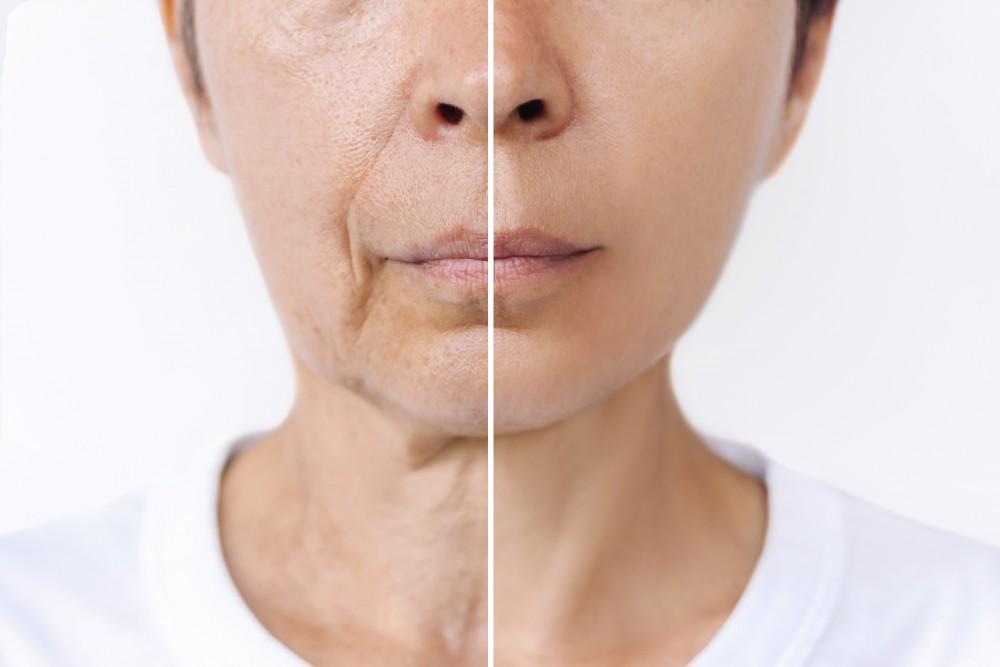
What Is the Difference Between Crepey Neck Skin, Loose Skin and Turkey Neck?
People often use these terms to describe the same concern, but there are some useful differences.
Crepey neck skin has a fine, crumpled appearance. The skin may look thin, dry or finely wrinkled, rather than simply hanging down. Changes in skin quality, thickness and elasticity can all contribute to this appearance.
Loose neck skin describes skin that has lost some of its firmness. It may look less supported, form folds or sit more loosely around the jawline and upper neck.
Turkey neck is an informal term for sagging beneath the chin. It can involve loose skin, visible vertical bands from the platysma muscle, excess fat beneath the chin or a combination of these features.
Horizontal neck lines are the creases that run across the front of the neck. They can appear in younger adults too, and may become more noticeable with time.
Why does the difference matter? Improving the texture of the skin will not necessarily remove a fold caused by excess skin. Similarly, a treatment aimed at skin firmness will not reliably reduce a pocket of fat or correct prominent muscle bands. Also Check: How Collagen Loss Ages Your Face and the Treatments That Can Help
This is why a proper assessment should come before choosing a treatment. The aim is to understand what is contributing to the appearance, rather than treating every neck concern as though it were identical.
How Can You Improve Crepey Skin and Turkey Neck Without Surgery?
There is no single treatment that suits every type of neck ageing. The right option depends on the amount of skin laxity, the condition of the skin, the underlying anatomy and what you hope to improve.
For people with early or moderate changes, certain non-surgical treatments may be worth discussing. They can improve the appearance of selected concerns, but they cannot reproduce the results of surgery where there is a significant amount of excess skin.
Radiofrequency microneedling
During RF microneedling, tiny needles pass into the skin and deliver heat to the treatment area. This encourages the skin to repair itself. As part of that process, collagen production may increase, which can help the skin look smoother and feel firmer over time.
It may help with concerns such as fine wrinkles, uneven texture and some mild skin laxity. It is not a way to remove large amounts of loose skin, and results will depend on the device, settings, treatment plan and individual response.
Research has looked at RF microneedling for neck rejuvenation. One randomised study compared it with a non-ablative fractional laser, while another prospective study examined treatment of the lower face, jawline and neck. These studies are useful, but they do not mean that every RF microneedling device or treatment protocol will produce the same outcome. [2, 3]
At LA Lipo, this treatment approach is offered as Collagen Lift Therapy. Ask the clinic which device and settings are used, and whether the treatment is suitable for your particular concern.
HIFU skin tightening
High-Intensity Focused Ultrasound (HIFU) uses focused ultrasound energy to heat selected tissue beneath the skin. The treatment is intended to encourage a response in the targeted tissue, which may lead to gradual changes in firmness.
HIFU may be considered when reduced firmness or early skin laxity is the main concern. Research into focused ultrasound for face and neck rejuvenation has reported improvements in some patients, although the studies use different devices, treatment methods and assessment measures. Results should therefore be viewed as variable, not guaranteed. [4, 5]
HIFU does not cut away or remove hanging skin. It is unlikely to be enough on its own where there is substantial excess skin, significant fat beneath the chin or pronounced muscle bands. The treatment area and depth must also be appropriate for the device being used.
Combining HIFU and RF microneedling
Sometimes the concern is not limited to one layer. The skin beneath the chin may have lost some firmness, while its surface also looks thin, creased or uneven.
HIFU and RF microneedling work in different ways. HIFU delivers focused ultrasound energy to selected tissue depths, while RF microneedling delivers radiofrequency energy through fine needles into the skin. A practitioner may consider both approaches when more than one type of skin change is present.
LA Lipo offers a combined option called Ultimate Lift & Tighten Treatment, which brings these technologies together.
There is an important distinction, though: research into each treatment individually does not prove that using them together will give better results. High-quality clinical evidence specifically comparing combined HIFU and RF microneedling with either treatment alone remains limited.
Having both treatments is not automatically the better choice. The practitioner should explain why the combination is being suggested, what each part is intended to address and whether a single treatment or another approach may be more appropriate.
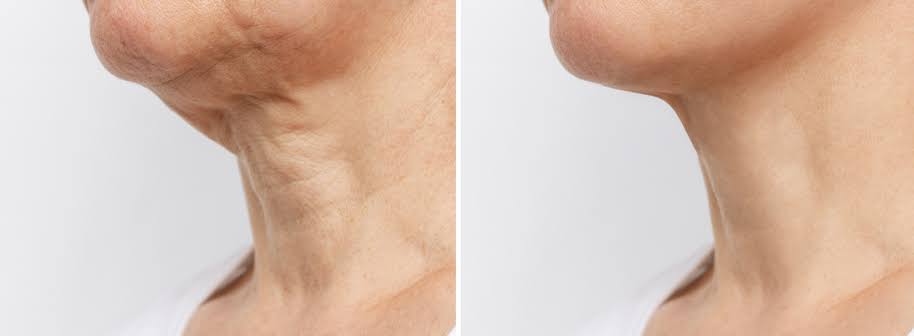
What Happens During Treatment, and When Will You See Results?
The first step should be a consultation, not a treatment booking. Your practitioner needs to look at the neck, understand what is causing the concern and decide whether the proposed treatment is suitable.
They should ask about your medical history, skin conditions, medication, previous cosmetic procedures and what you would like to change. Certain medical circumstances, active infections, problems with wound healing and some skin conditions may affect whether treatment is appropriate. The exact restrictions depend on the device and its instructions for use.
During RF microneedling, the skin is prepared before the handpiece is applied. A topical numbing product may be used, depending on the device and treatment plan. Fine needles enter the skin and deliver radiofrequency energy at the selected settings. You may notice pressure, warmth or discomfort during the procedure.
During HIFU, the practitioner places the handpiece against your neck and moves it across the treatment area. You might feel a little heat, tingling or a sharp sensation now and then. Some parts of the neck may feel more sensitive than others.
After treatment, the skin may be red, swollen, tender or marked with small pinpoint areas. RF microneedling can also cause bruising, pigment changes, infection, burns or scarring. HIFU may cause tenderness and, in some cases, temporary nerve-related symptoms. The risks are not identical for every device or treatment area, so ask for an explanation of the risks associated with the exact technology being used.
You should leave with written aftercare instructions and a clear contact route if you experience symptoms that concern you. Also See: RF Microneedling for Wrinkles, Fine Lines and Skin Laxity: What to Know
When do results appear?
Do not expect the final appearance straight after treatment. Any changes associated with collagen remodelling take time to develop, so improvement may become noticeable gradually over the following weeks or months.
The number of sessions, the gap between them and the likely duration of any improvement vary. Not everyone responds to treatment in the same way, so the outcome can be different from one person to another. Ageing also continues, so no treatment can promise a permanent result.
Before going ahead, talk to the clinic about how many sessions you may need and what to expect afterwards. Recovery can differ depending on the machine used and how the treatment is carried out.
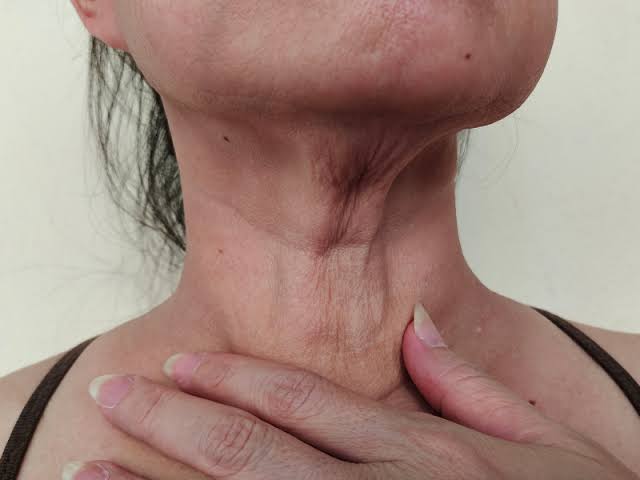
Who Is Suitable for Non-Surgical Neck Tightening?
Non-surgical treatment may be worth discussing if you have:
- Mild to moderate looseness beneath the chin.
- Fine lines or a crepey-looking neck.
- Early loss of firmness around the neck or jawline.
- Skin texture that looks less smooth than it used to.
- A preference to explore non-surgical options before considering surgery.
These treatments may be less helpful if the main concern is a large amount of excess skin, pronounced vertical muscle bands or substantial fat beneath the chin. A practitioner should be willing to explain when a treatment is unlikely to give the change you want. In some cases, a surgical consultation or another type of assessment may be more appropriate.
One further point: not every change in the neck should be treated as an aesthetic concern. A new lump, persistent swelling, an unexplained skin lesion, a changing mole or an area that does not heal should be checked by a GP rather than treated at an aesthetic clinic.
What can you do at home?
Daily skincare will not remove established loose skin, but it can help look after the skin you have.
- Apply broad-spectrum sunscreen to the neck when it is exposed to daylight.
- Don’t forget your neck when applying moisturiser, especially if the skin feels dry.
- Include the neck when applying your usual sun-protection routine.
- Smoking can make skin age faster, so cutting down or quitting may help protect its appearance.
If you are considering a clinic treatment, these habits can support general skin care, but they should not be presented as a substitute for treatment or as a way to reverse significant laxity.
Questions to ask before treatment
A consultation should give you enough information to make a considered decision. You could ask:
- What is actually causing the appearance of my neck?
- Which part of the concern is this treatment expected to address?
- Why are you recommending this device rather than another option?
- What kind of improvement is realistic in my case?
- What side effects or complications should I know about?
- How many sessions might be suggested, and why?
- What happens if the result is less noticeable than expected?
- Are there alternatives, including doing nothing or seeking a surgical opinion?
You should have time to consider the answers. There should be no pressure to decide or pay for treatment during the consultation.
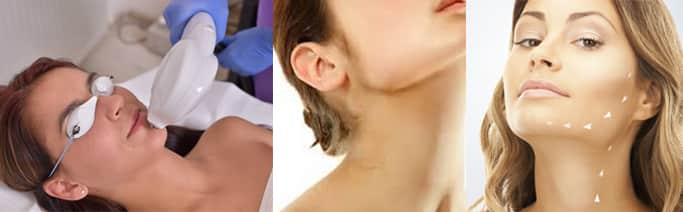
Frequently Asked Questions
Q: Can crepey neck skin be tightened without surgery?
Some treatments, including RF microneedling, may improve the appearance of fine wrinkles, texture and mild skin laxity. The amount of change varies from person to person. Where there is significant excess skin, non-surgical treatment is unlikely to achieve the same result as surgery.
Q: Does RF microneedling help with turkey neck?
It may improve skin texture and some mild laxity. However, it will not reliably remove a substantial fold of loose skin, reduce significant fat beneath the chin or correct prominent vertical muscle bands. The cause of the turkey-neck appearance needs to be assessed first.
Q: Is HIFU or RF microneedling better for loose neck skin?
It really depends on what is causing the skin to look loose. HIFU works beneath the skin using ultrasound energy, whereas RF microneedling uses fine needles to deliver radiofrequency heat into the treated area. Both may help with certain signs of ageing, but the right choice depends on how much looseness there is and what you want to improve. A practitioner can assess your neck and explain which treatment, if either, is likely to be worthwhile.
Q: How long do non-surgical neck tightening results last?
There is no single timeframe that applies to everyone. Results depend on the treatment used, the degree of skin laxity, the individual’s response and ongoing ageing. A clinic should explain what is known about the specific device it uses and avoid promising a fixed duration
Q: Can I combine HIFU and RF microneedling for my neck?
A practitioner may consider combining them when there are different concerns to address. However, combining treatments does not guarantee a better result, and the evidence directly comparing combined treatment with either treatment alone is limited. Suitability, treatment order and intervals should be decided individually.
Q: Can neck creams get rid of turkey neck?
A moisturiser can make dry skin feel more comfortable and temporarily soften the look of fine lines. Sunscreen helps protect against further UV-related skin damage. Neither can remove a significant amount of loose skin, excess fat or prominent neck muscle bands.
Q: When should I consider a surgical neck lift?
If you have substantial loose skin, pronounced muscle bands or significant changes beneath the chin, it may be worth discussing surgical options with an appropriately qualified surgeon. Non-surgical treatments should not be described as equivalent to a surgical neck lift.
References & Further Reading
The following resources offer further information about sun damage, skin ageing and the research behind RF microneedling and HIFU treatments. They also include guidance on advertising non-surgical cosmetic procedures responsibly.
[1] Cambridge University Hospitals NHS Foundation Trust
- Resource: Care for skin with sun damage
- This NHS resource explains how sun exposure affects the skin and offers advice on caring for skin affected by UV damage.
[2] Almukhtar R, Wood E, Goldman M, Fabi SG and Boen M. (2022)
- Research: The Efficacy and Safety of Radiofrequency Microneedling Versus a Nonablative Fractional 1,550-nm Erbium:Glass Laser for the Rejuvenation of the Neck.
- Journal: Dermatologic Surgery, 48(9), 937–942.
- DOI: 10.1097/DSS.0000000000003507
- This study compared RF microneedling with a non-ablative fractional laser to see how both treatments performed when used for neck rejuvenation.
[3] Nguyen L, Blessmann M, Schneider SW and Herberger K. (2022)
- Research: Radiofrequency Microneedling for Skin Tightening of the Lower Face, Jawline, and Neck Region.
- Journal: Dermatologic Surgery, 48(12), 1299–1305.
- DOI: 10.1097/DSS.0000000000003607
- This research looked at the use of RF microneedling on the lower face, jawline and neck, including its potential to improve skin firmness.
[4] Systematic Review and Meta-analysis (2020)
- Research: A Review of Research into the Safety and Effectiveness of HIFU for Face and Neck Rejuvenation (2020).
- PubMed: https://pubmed.ncbi.nlm.nih.gov/32026164/
- This review brought together findings from published studies examining HIFU for facial and neck rejuvenation. It provides a useful overview of the reported results and the limitations of the available research.
[5] A 2016 Study on Using Micro-Focused Ultrasound to Tighten Loose Neck Skin
- Journal: Journal of Drugs in Dermatology, 15(5), 607–614.
- PubMed: https://pubmed.ncbi.nlm.nih.gov/27168269/
- About this research: The study looked at the use of micro-focused ultrasound to improve skin laxity around the lower face and neck.
[6] Advertising Standards Authority (ASA) and Committee of Advertising Practice (CAP)
- Guidance: Advertising rules for non-surgical cosmetic treatments
- Relevant to: What clinics should consider when advertising cosmetic treatments, including making realistic claims, explaining treatment risks and providing clear information about the services they offer.
For Further Information, Please Call Us ON 03300 100 238